Vehicles using 1CD-FTV engine list:
- TOYOTA - Corolla Verso 2.0 D4-D (66kW) 2002–2003
- TOYOTA - Corolla 2.0 D4-D (66kW) 2002–2003
- TOYOTA - Corolla 2.0 D4-D (81kW) 2002–2003
- TOYOTA - Corolla 2.0 D4-D (85kW) 2003–2007
- TOYOTA - Corolla Verso 2.0 D4-D (66kW) 2003–2004
- TOYOTA - Corolla 2.0 D4-D (66kW) 2003–2007
- TOYOTA - Corolla Verso 2.0 D4-D (85kW) 2004–2005
Recommended oil for engine 1CD-FTV engine.
Ask AI about any Engine code
Questions strictly about engine codes (brand/model/engine type/production years).
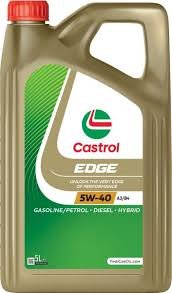
| Castrol EDGE 5W-40 A3/B4 | |
|---|---|
| ACEA A3/B4 | ✔ |
| API SP | ✔ |
| BMW Longlife-01 | ✔ |
| MB 229.3 / 229.5 / 226.5 | ✔ |
| Porsche A40 | ✔ |
| Renault RN0700 / RN0710 | ✔ |
| VW 502 00 / 505 00 | ✔ |
| Chrysler MS-12991 | ✔ |

| Ravenol VST 5W-40 | |
|---|---|
| ACEA A3/B4 | ✔ |
| API SP | ✔ |
| BMW Longlife-01 | ✔ |
| MB 229.5 / 226.5 | ✔ |
| Porsche A40 | ✔ |
| VW 502.00 / 505.00 | ✔ |
| Renault RN0700/0710 | ✔ |
| Chrysler MS-12991 | ✔ |

| Mobil 1 FS 5W-40 | |
|---|---|
| ACEA A3/B3/B4 | ✔ |
| API SN/SM/CF | ✔ |
| BMW Longlife-01 | ✔ |
| MB 229.3 / 229.5 | ✔ |
| Porsche A40 | ✔ |
| VW 502.00 / 505.00 | ✔ |
| Renault RN0700/0710 | ✔ |
| Chrysler MS-12991 | ✔ |

| Liqui Moly High Tech 5W-40 | |
|---|---|
| ACEA A3/B4 | ✔ |
| API SN/CF | ✔ |
| BMW Longlife-01 | ✔ |
| MB 229.5 | ✔ |
| Porsche A40 | ✔ |
| VW 502.00 / 505.00 | ✔ |
| Renault RN0700/0710 | ✔ |
| Chrysler MS-12991 | ✔ |
Oil specification key
✔ – Meets the required specification
❓ – Not explicitly stated (use caution; check your vehicle manual)
❌ – Does not meet required specification. Use may cause engine issues.
✔ – Meets the required specification
❓ – Not explicitly stated (use caution; check your vehicle manual)
❌ – Does not meet required specification. Use may cause engine issues.
As an Amazon Associate, we may earn from qualifying purchases.
Answer generated by AI.
Oil specifications for 1CD-FTV engine
SAE 5W-30
ACEA C3
API CI-4
API CJ-4
VW 505.01
Most common problems, symptoms & fixes for the 1CD-FTV engine.
Engine 1CD-FTV
Symptoms:
- Loss of power and sluggish acceleration
- Excessive smoke from the exhaust, often black or gray
- Engine warning light illuminated on the dashboard
- Rough idling or stalling at low speeds
- Increased fuel consumption
Diagnosis:
- Check for clogged or faulty EGR (Exhaust Gas Recirculation) valve, a common cause of poor performance and smoke
- Inspect the turbocharger for wear or damage, as turbo failure leads to power loss and smoke
- Test the fuel injectors for clogging or malfunction, which can cause rough running and increased emissions
- Examine the diesel particulate filter (DPF) for blockage, especially in vehicles used mainly for short trips
- Scan the engine control unit (ECU) for fault codes related to sensors such as MAF (Mass Air Flow) or MAP (Manifold Absolute Pressure)
Fixes:
- Clean or replace the EGR valve to restore proper exhaust gas recirculation and reduce smoke
- Repair or replace the turbocharger if worn or damaged to regain engine power and efficiency
- Service or replace faulty fuel injectors to ensure correct fuel delivery and smooth running
- Perform a forced DPF regeneration or replace the filter if severely clogged to prevent engine derating
- Address any sensor faults by cleaning connectors or replacing sensors to maintain accurate engine management
Prevention:
- Use high-quality diesel fuel and regularly change fuel filters to protect injectors and fuel system components
- Follow recommended oil change intervals with the correct specification oil to preserve turbocharger and engine health
- Avoid frequent short trips that prevent the DPF from reaching regeneration temperature; occasionally drive at higher speeds to allow regeneration
- Regularly inspect and clean the EGR system to prevent carbon buildup
- Keep up with scheduled maintenance and promptly address warning lights to avoid escalation of issues
Symptoms:
- Loss of power and sluggish acceleration
- Excessive smoke from the exhaust, often black or gray
- Engine warning light illuminated on the dashboard
- Rough idling or stalling at low speeds
- Increased fuel consumption
Diagnosis:
- Check for clogged or faulty EGR (Exhaust Gas Recirculation) valve, a common cause of poor performance and smoke
- Inspect the turbocharger for wear or damage, as turbo failure leads to power loss and smoke
- Test the fuel injectors for clogging or malfunction, which can cause rough running and increased emissions
- Examine the diesel particulate filter (DPF) for blockage, especially in vehicles used mainly for short trips
- Scan the engine control unit (ECU) for fault codes related to sensors such as MAF (Mass Air Flow) or MAP (Manifold Absolute Pressure)
Fixes:
- Clean or replace the EGR valve to restore proper exhaust gas recirculation and reduce smoke
- Repair or replace the turbocharger if worn or damaged to regain engine power and efficiency
- Service or replace faulty fuel injectors to ensure correct fuel delivery and smooth running
- Perform a forced DPF regeneration or replace the filter if severely clogged to prevent engine derating
- Address any sensor faults by cleaning connectors or replacing sensors to maintain accurate engine management
Prevention:
- Use high-quality diesel fuel and regularly change fuel filters to protect injectors and fuel system components
- Follow recommended oil change intervals with the correct specification oil to preserve turbocharger and engine health
- Avoid frequent short trips that prevent the DPF from reaching regeneration temperature; occasionally drive at higher speeds to allow regeneration
- Regularly inspect and clean the EGR system to prevent carbon buildup
- Keep up with scheduled maintenance and promptly address warning lights to avoid escalation of issues