Vehicles using B234 engine list:
- SAAB - 9000i 2.3 (110kW) 1989–1993
- SAAB - 9000i Turbo 16 2.3 (147kW) 1990–1991
- SAAB - 9000i 2.3 Turbo (147kW) 1991–1993
- SAAB - 9000i 2.3 (110kW) 1994–1998
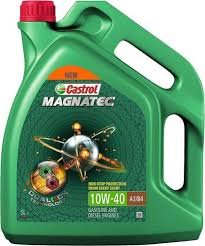
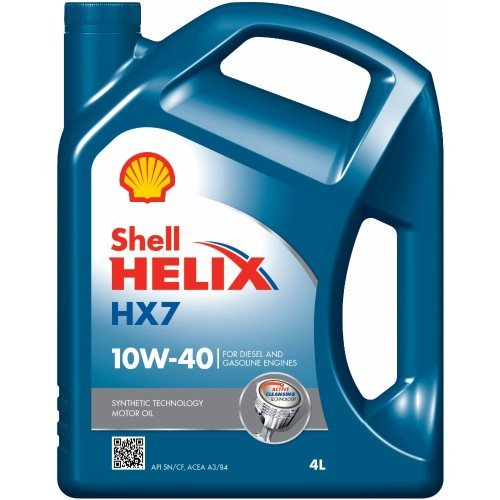
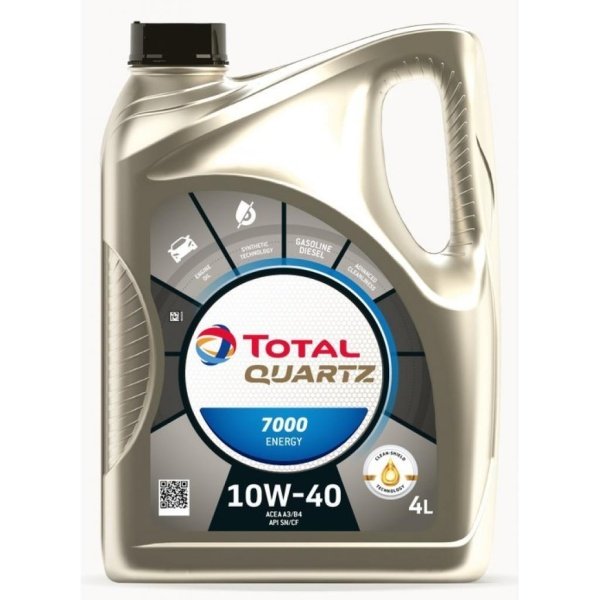
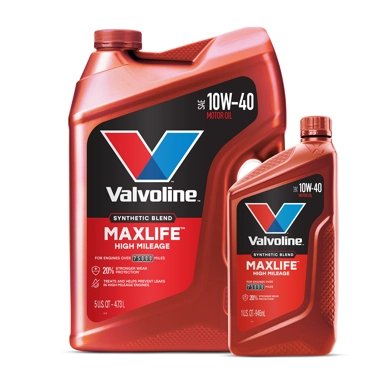
Recommended oil for engine B234 engine.
Ask AI about any Engine code
Questions strictly about engine codes (brand/model/engine type/production years).
Oil specification key
✔ – Meets the required specification
❓ – Not explicitly stated (use caution; check your vehicle manual)
❌ – Does not meet required specification. Use may cause engine issues.
✔ – Meets the required specification
❓ – Not explicitly stated (use caution; check your vehicle manual)
❌ – Does not meet required specification. Use may cause engine issues.
Answer generated by AI.
Oil specifications for B234 engine
SAE 10W-40
ACEA A3/B3
API SJ
VW 501.01
Most common problems, symptoms & fixes for the B234 engine.
Engine B234
Symptoms:
- Rough idling and hesitation during acceleration
- Loss of power or reduced engine performance
- Oil leaks around the valve cover and oil pan
- Overheating or coolant loss
- Check engine light illumination, often related to ignition or fuel system faults
Diagnosis:
- Inspect ignition components such as spark plugs, wires, and ignition coils for wear or damage
- Check for vacuum leaks in hoses and intake manifold gaskets
- Examine the turbocharger (for turbo models) for shaft play or oil leaks
- Perform a compression test to assess cylinder health
- Inspect coolant system for leaks, thermostat operation, and radiator condition
- Scan for fault codes to identify sensor or electronic control issues
Fixes:
- Replace worn spark plugs and ignition wires to restore proper firing
- Repair or replace leaking gaskets and seals, especially valve cover and oil pan gaskets
- Service or rebuild the turbocharger if performance issues or oil leaks are present
- Flush and replace coolant; repair any leaks and replace faulty thermostat or radiator components
- Clean or replace the idle air control valve and throttle body to improve idle quality
- Address any fault codes by repairing or replacing faulty sensors such as oxygen sensors or mass airflow sensors
Prevention:
- Regularly change engine oil and use the recommended grade to prevent sludge buildup and wear
- Maintain cooling system by flushing coolant at recommended intervals and checking hoses and radiator condition
- Replace ignition components at manufacturer-recommended intervals to avoid misfires
- Inspect and replace air filters regularly to ensure proper airflow and engine efficiency
- Monitor turbocharger condition and avoid prolonged high RPM operation without proper warm-up and cool-down periods
- Use quality fuel and keep the fuel system clean to prevent injector clogging and maintain smooth engine operation
Symptoms:
- Rough idling and hesitation during acceleration
- Loss of power or reduced engine performance
- Oil leaks around the valve cover and oil pan
- Overheating or coolant loss
- Check engine light illumination, often related to ignition or fuel system faults
Diagnosis:
- Inspect ignition components such as spark plugs, wires, and ignition coils for wear or damage
- Check for vacuum leaks in hoses and intake manifold gaskets
- Examine the turbocharger (for turbo models) for shaft play or oil leaks
- Perform a compression test to assess cylinder health
- Inspect coolant system for leaks, thermostat operation, and radiator condition
- Scan for fault codes to identify sensor or electronic control issues
Fixes:
- Replace worn spark plugs and ignition wires to restore proper firing
- Repair or replace leaking gaskets and seals, especially valve cover and oil pan gaskets
- Service or rebuild the turbocharger if performance issues or oil leaks are present
- Flush and replace coolant; repair any leaks and replace faulty thermostat or radiator components
- Clean or replace the idle air control valve and throttle body to improve idle quality
- Address any fault codes by repairing or replacing faulty sensors such as oxygen sensors or mass airflow sensors
Prevention:
- Regularly change engine oil and use the recommended grade to prevent sludge buildup and wear
- Maintain cooling system by flushing coolant at recommended intervals and checking hoses and radiator condition
- Replace ignition components at manufacturer-recommended intervals to avoid misfires
- Inspect and replace air filters regularly to ensure proper airflow and engine efficiency
- Monitor turbocharger condition and avoid prolonged high RPM operation without proper warm-up and cool-down periods
- Use quality fuel and keep the fuel system clean to prevent injector clogging and maintain smooth engine operation