Vehicles using B4204T41 engine list:
- VOLVO - S60 T5 (180kW) 2013–2018
- VOLVO - V60 T5 (180kW) 2013–2018
- VOLVO - S80 T5 (180kW) 2013–2016
- VOLVO - V70 T5 (180kW) 2013–2016
- VOLVO - XC70 T5 (180kW) 2013–2016
- VOLVO - XC60 T5 (180kW) 2013–2017
- VOLVO - S60 T5 AWD (180kW) 2013–2018
- VOLVO - V40 T5 (180kW) 2014–2019
- VOLVO - V40 Cross Country T5 AWD (180kW) 2014–2019
- VOLVO - S80 2.0 Drive E (180kW) 2014–2016
- VOLVO - V60 T5 Cross Country (180kW) 2015–2018
- VOLVO - XC60 T5 AWD (180kW) 2015–2017
- VOLVO - S60 T5 Cross Country AWD (180kW) 2016–2018
- VOLVO - V60 T5 Cross Country AWD (180kW) 2016–2018
- VOLVO - V40 Cross Country T5 (180kW) 2017–2019
Recommended oil for engine B4204T41 engine.
Ask AI about any Engine code
Questions strictly about engine codes (brand/model/engine type/production years).

| Castrol EDGE 0W‑20 V | |
|---|---|
| ACEA C5 | ✔ |
| Volvo VCC RBS0-2AE | ✔ |
| API SP | ❌ |
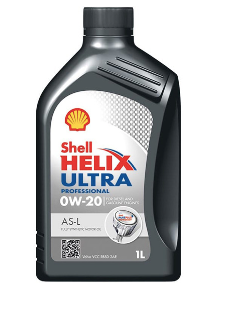
| Shell Helix Ultra Professional AS-L 0W‑20 | |
|---|---|
| ACEA C5 | ✔ |
| Volvo VCC RBS0-2AE | ✔ |
| API SP | ❌ |

| Mobil Super™ 3000 Formula VC 0W‑20 | |
|---|---|
| ACEA C5 | ✔ |
| Volvo VCC RBS0-2AE | ✔ |
| API SP | ✔ |

| Liqui Moly Special Tec V 0W‑20 | |
|---|---|
| ACEA C5 | ✔ |
| Volvo VCC RBS0-2AE | ✔ |
| API SP | ✔ |
Oil specification key
✔ – Meets the required specification
❓ – Not explicitly stated (use caution; check your vehicle manual)
❌ – Does not meet required specification. Use may cause engine issues.
✔ – Meets the required specification
❓ – Not explicitly stated (use caution; check your vehicle manual)
❌ – Does not meet required specification. Use may cause engine issues.
Answer generated by AI.
Oil specifications for B4204T41 engine
SAE 0W-20
ACEA C3
API SN
Volvo VCC RBS0-2AE
Most common problems, symptoms & fixes for the B4204T41 engine.
Engine B4204T41
Symptoms:
- Rough idling or engine misfire
- Loss of power or reduced acceleration
- Increased oil consumption or visible oil leaks
- Check Engine Light (CEL) illumination, often with codes related to ignition coils or turbocharger
- Unusual noises from the turbocharger area
- Poor fuel economy
Diagnosis:
- Inspect ignition coils and spark plugs for wear or failure; these engines are known for coil pack issues causing misfires.
- Check for turbocharger boost leaks or malfunction; boost pressure sensors and hoses should be tested.
- Examine the PCV (Positive Crankcase Ventilation) system for clogging, which can cause oil leaks and rough running.
- Perform a compression test to rule out internal engine wear.
- Scan for diagnostic trouble codes (DTCs) to pinpoint sensor or actuator faults.
- Inspect for oil leaks around the turbocharger and valve cover gasket areas.
Fixes:
- Replace faulty ignition coils and worn spark plugs promptly to restore smooth running.
- Repair or replace leaking boost hoses and faulty turbocharger components to maintain proper boost pressure.
- Clean or replace PCV valves and associated hoses to prevent oil leaks and maintain engine ventilation.
- Replace valve cover gaskets and turbocharger oil seals if leaks are detected.
- Regularly change engine oil and use manufacturer-recommended grades to protect turbocharger and engine internals.
- Update engine software if Volvo has released technical service bulletins addressing known issues.
Prevention:
- Adhere to scheduled maintenance intervals, especially oil and filter changes, to prevent premature wear.
- Use high-quality synthetic oil suitable for turbocharged engines to ensure proper lubrication.
- Monitor and promptly address any engine warning lights or unusual noises.
- Avoid extended idling and aggressive driving to reduce stress on ignition components and the turbocharger.
- Periodically inspect ignition coils and spark plugs, replacing them before failure occurs.
- Ensure the PCV system is functioning correctly to avoid pressure buildup and oil leaks.
By following these diagnostic steps and maintenance practices, owners of vehicles equipped with the B4204T41 engine can minimize common issues and maintain reliable performance.
Symptoms:
- Rough idling or engine misfire
- Loss of power or reduced acceleration
- Increased oil consumption or visible oil leaks
- Check Engine Light (CEL) illumination, often with codes related to ignition coils or turbocharger
- Unusual noises from the turbocharger area
- Poor fuel economy
Diagnosis:
- Inspect ignition coils and spark plugs for wear or failure; these engines are known for coil pack issues causing misfires.
- Check for turbocharger boost leaks or malfunction; boost pressure sensors and hoses should be tested.
- Examine the PCV (Positive Crankcase Ventilation) system for clogging, which can cause oil leaks and rough running.
- Perform a compression test to rule out internal engine wear.
- Scan for diagnostic trouble codes (DTCs) to pinpoint sensor or actuator faults.
- Inspect for oil leaks around the turbocharger and valve cover gasket areas.
Fixes:
- Replace faulty ignition coils and worn spark plugs promptly to restore smooth running.
- Repair or replace leaking boost hoses and faulty turbocharger components to maintain proper boost pressure.
- Clean or replace PCV valves and associated hoses to prevent oil leaks and maintain engine ventilation.
- Replace valve cover gaskets and turbocharger oil seals if leaks are detected.
- Regularly change engine oil and use manufacturer-recommended grades to protect turbocharger and engine internals.
- Update engine software if Volvo has released technical service bulletins addressing known issues.
Prevention:
- Adhere to scheduled maintenance intervals, especially oil and filter changes, to prevent premature wear.
- Use high-quality synthetic oil suitable for turbocharged engines to ensure proper lubrication.
- Monitor and promptly address any engine warning lights or unusual noises.
- Avoid extended idling and aggressive driving to reduce stress on ignition components and the turbocharger.
- Periodically inspect ignition coils and spark plugs, replacing them before failure occurs.
- Ensure the PCV system is functioning correctly to avoid pressure buildup and oil leaks.
By following these diagnostic steps and maintenance practices, owners of vehicles equipped with the B4204T41 engine can minimize common issues and maintain reliable performance.