Vehicles using B4204T47 engine list:
Recommended oil for engine B4204T47 engine.
Ask AI about any Engine code
Questions strictly about engine codes (brand/model/engine type/production years).

| Castrol EDGE 0W‑20 V | |
|---|---|
| ACEA C5 | ✔ |
| Volvo VCC RBS0-2AE | ✔ |
| API SP | ❌ |
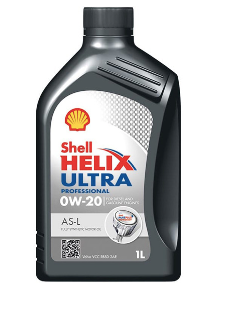
| Shell Helix Ultra Professional AS-L 0W‑20 | |
|---|---|
| ACEA C5 | ✔ |
| Volvo VCC RBS0-2AE | ✔ |
| API SP | ❌ |

| Mobil Super™ 3000 Formula VC 0W‑20 | |
|---|---|
| ACEA C5 | ✔ |
| Volvo VCC RBS0-2AE | ✔ |
| API SP | ✔ |

| Liqui Moly Special Tec V 0W‑20 | |
|---|---|
| ACEA C5 | ✔ |
| Volvo VCC RBS0-2AE | ✔ |
| API SP | ✔ |
Oil specification key
✔ – Meets the required specification
❓ – Not explicitly stated (use caution; check your vehicle manual)
❌ – Does not meet required specification. Use may cause engine issues.
✔ – Meets the required specification
❓ – Not explicitly stated (use caution; check your vehicle manual)
❌ – Does not meet required specification. Use may cause engine issues.
Answer generated by AI.
Oil specifications for B4204T47 engine
SAE 0W-20
ACEA C3
API SN
Volvo VCC RBS0-2AE
Most common problems, symptoms & fixes for the B4204T47 engine.
Engine B4204T47
Symptoms:
- Rough idling and hesitation during acceleration
- Check Engine Light (CEL) illumination with related fault codes
- Unusual engine noise or knocking
- Reduced fuel efficiency and power output
- Occasional stalling or misfires
Diagnosis:
- Use an OBD-II scanner to read fault codes, focusing on ignition, fuel system, and sensor-related errors
- Inspect ignition coils and spark plugs for wear or damage, as misfires are common
- Check for vacuum leaks or intake manifold issues causing rough running
- Perform a compression test to rule out mechanical wear or cylinder sealing problems
- Examine the turbocharger system for boost leaks or actuator faults
- Verify the condition and operation of the variable valve timing (VVT) system
Fixes:
- Replace faulty ignition coils and worn spark plugs to resolve misfires and rough running
- Repair or replace damaged vacuum lines and intake components to eliminate leaks
- Clean or replace the mass airflow sensor (MAF) and throttle body if dirty or malfunctioning
- Address turbocharger issues by repairing boost leaks or replacing faulty actuators
- Service the VVT system by cleaning or replacing solenoids and ensuring proper oil flow
- Update engine control unit (ECU) software if manufacturer releases relevant fixes
- Regular oil and filter changes using manufacturer-recommended grades to maintain engine health
Prevention:
- Adhere to scheduled maintenance intervals, especially oil and filter changes to protect VVT and turbo components
- Use high-quality fuel and engine oil to prevent deposits and wear
- Regularly inspect ignition components and replace spark plugs as recommended
- Avoid prolonged idling and aggressive driving to reduce stress on the turbocharger and engine
- Keep the air intake system clean and free of debris to ensure proper airflow and sensor function
- Monitor for early signs of engine issues and address them promptly to prevent escalation
-NO INFO-
Symptoms:
- Rough idling and hesitation during acceleration
- Check Engine Light (CEL) illumination with related fault codes
- Unusual engine noise or knocking
- Reduced fuel efficiency and power output
- Occasional stalling or misfires
Diagnosis:
- Use an OBD-II scanner to read fault codes, focusing on ignition, fuel system, and sensor-related errors
- Inspect ignition coils and spark plugs for wear or damage, as misfires are common
- Check for vacuum leaks or intake manifold issues causing rough running
- Perform a compression test to rule out mechanical wear or cylinder sealing problems
- Examine the turbocharger system for boost leaks or actuator faults
- Verify the condition and operation of the variable valve timing (VVT) system
Fixes:
- Replace faulty ignition coils and worn spark plugs to resolve misfires and rough running
- Repair or replace damaged vacuum lines and intake components to eliminate leaks
- Clean or replace the mass airflow sensor (MAF) and throttle body if dirty or malfunctioning
- Address turbocharger issues by repairing boost leaks or replacing faulty actuators
- Service the VVT system by cleaning or replacing solenoids and ensuring proper oil flow
- Update engine control unit (ECU) software if manufacturer releases relevant fixes
- Regular oil and filter changes using manufacturer-recommended grades to maintain engine health
Prevention:
- Adhere to scheduled maintenance intervals, especially oil and filter changes to protect VVT and turbo components
- Use high-quality fuel and engine oil to prevent deposits and wear
- Regularly inspect ignition components and replace spark plugs as recommended
- Avoid prolonged idling and aggressive driving to reduce stress on the turbocharger and engine
- Keep the air intake system clean and free of debris to ensure proper airflow and sensor function
- Monitor for early signs of engine issues and address them promptly to prevent escalation
-NO INFO-