Vehicles using BXJ engine list:
Recommended oil for engine BXJ engine.
Ask AI about any Engine code
Questions strictly about engine codes (brand/model/engine type/production years).
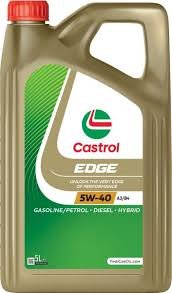
| Castrol EDGE 5W-40 A3/B4 | |
|---|---|
| ACEA A3/B4 | ✔ |
| API SP | ✔ |
| BMW Longlife-01 | ✔ |
| MB 229.3 / 229.5 / 226.5 | ✔ |
| Porsche A40 | ✔ |
| Renault RN0700 / RN0710 | ✔ |
| VW 502 00 / 505 00 | ✔ |
| Chrysler MS-12991 | ✔ |

| Ravenol VST 5W‑40 | |
|---|---|
| ACEA A3/B4 | ✔ |
| API SP | ✔ |
| BMW Longlife‑01 | ✔ |
| MB 229.5 / 226.5 | ✔ |
| Porsche A40 | ✔ |
| VW 502.00 / 505.00 | ✔ |
| Renault RN0700/0710 | ✔ |
| Chrysler MS‑12991 | ✔ |

| Mobil 1 FS 5W‑40 | |
|---|---|
| ACEA A3/B3/B4 | ✔ |
| API SN/SM/CF | ✔ |
| BMW Longlife‑01 | ✔ |
| MB 229.3 / 229.5 | ✔ |
| Porsche A40 | ✔ |
| VW 502.00 / 505.00 | ✔ |
| Renault RN0700/0710 | ✔ |
| Chrysler MS‑12991 | ✔ |

| Liqui Moly High Tech 5W‑40 | |
|---|---|
| ACEA A3/B4 | ✔ |
| API SN/CF | ✔ |
| BMW Longlife‑01 | ✔ |
| MB 229.5 | ✔ |
| Porsche A40 | ✔ |
| VW 502.00 / 505.00 | ✔ |
| Renault RN0700/0710 | ✔ |
| Chrysler MS‑12991 | ✔ |
Oil specification key
✔ – Meets the required specification
❓ – Not explicitly stated (use caution; check your vehicle manual)
❌ – Does not meet required specification. Use may cause engine issues.
✔ – Meets the required specification
❓ – Not explicitly stated (use caution; check your vehicle manual)
❌ – Does not meet required specification. Use may cause engine issues.
Answer generated by AI.
Oil specifications for BXJ engine
SAE 5W-30
ACEA C3
API SN
VW 504.00
VW 507.00
Most common problems, symptoms & fixes for the BXJ engine.
Engine BXJ
Symptoms:
- Loss of power and reduced acceleration
- Excessive smoke from the exhaust, especially black or blue smoke
- Engine warning light (check engine) illumination
- Rough idling or stalling
- Increased fuel consumption
Diagnosis:
- Check for fault codes using an OBD-II scanner; common codes relate to the EGR valve, turbocharger, or DPF system.
- Inspect the Diesel Particulate Filter (DPF) for clogging or regeneration failure.
- Test the turbocharger for proper boost pressure and signs of wear or damage.
- Examine the EGR valve for carbon buildup causing sticking or malfunction.
- Check fuel injectors for leaks or poor spray patterns.
- Assess the intake and intercooler system for leaks or blockages.
Fixes:
- Clean or replace the DPF if clogged; perform a forced regeneration if possible.
- Clean or replace the EGR valve to restore proper exhaust gas recirculation.
- Repair or replace the turbocharger if boost pressure is insufficient or if mechanical failure is detected.
- Replace faulty fuel injectors to ensure correct fuel delivery.
- Address any intake leaks or intercooler damage to maintain engine efficiency.
- Regularly change engine oil and use manufacturer-recommended oil to prevent premature wear.
Prevention:
- Use high-quality diesel fuel and adhere to recommended service intervals.
- Avoid frequent short trips that prevent the DPF from reaching regeneration temperature.
- Perform periodic DPF regeneration drives (longer highway runs) to prevent clogging.
- Maintain the EGR system by cleaning it during scheduled services.
- Monitor engine performance and address warning lights promptly to avoid further damage.
- Use OEM or high-quality replacement parts for repairs to ensure reliability.
Symptoms:
- Loss of power and reduced acceleration
- Excessive smoke from the exhaust, especially black or blue smoke
- Engine warning light (check engine) illumination
- Rough idling or stalling
- Increased fuel consumption
Diagnosis:
- Check for fault codes using an OBD-II scanner; common codes relate to the EGR valve, turbocharger, or DPF system.
- Inspect the Diesel Particulate Filter (DPF) for clogging or regeneration failure.
- Test the turbocharger for proper boost pressure and signs of wear or damage.
- Examine the EGR valve for carbon buildup causing sticking or malfunction.
- Check fuel injectors for leaks or poor spray patterns.
- Assess the intake and intercooler system for leaks or blockages.
Fixes:
- Clean or replace the DPF if clogged; perform a forced regeneration if possible.
- Clean or replace the EGR valve to restore proper exhaust gas recirculation.
- Repair or replace the turbocharger if boost pressure is insufficient or if mechanical failure is detected.
- Replace faulty fuel injectors to ensure correct fuel delivery.
- Address any intake leaks or intercooler damage to maintain engine efficiency.
- Regularly change engine oil and use manufacturer-recommended oil to prevent premature wear.
Prevention:
- Use high-quality diesel fuel and adhere to recommended service intervals.
- Avoid frequent short trips that prevent the DPF from reaching regeneration temperature.
- Perform periodic DPF regeneration drives (longer highway runs) to prevent clogging.
- Maintain the EGR system by cleaning it during scheduled services.
- Monitor engine performance and address warning lights promptly to avoid further damage.
- Use OEM or high-quality replacement parts for repairs to ensure reliability.