Vehicles using TU3A/M/F2 engine list:
Recommended oil for engine TU3A/M/F2 engine.
Ask AI about any Engine code
Questions strictly about engine codes (brand/model/engine type/production years).
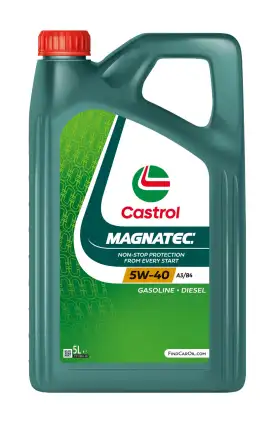
| Castrol MAGNATEC 5W‑40 A3/B4 | |
|---|---|
| ACEA A3/B4 | ✔ |
| API SP | ✔ |
| MB‑Approval 226.5 / 229.5 | ✔ |
| Renault RN 0700 / RN 0710 | ✔ |
| VW 502 00 / 505 00 | ✔ |
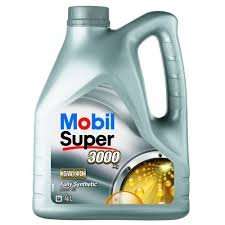
| Mobil Super 3000 X1 5W‑40 | |
|---|---|
| ACEA A3/B4 | ✔ |
| API SP | ✔ |
| MB‑Approval 226.5 / 229.5 | ✔ |
| Renault RN 0700 / RN 0710 | ✔ |
| VW 502 00 / 505 00 | ✔ |
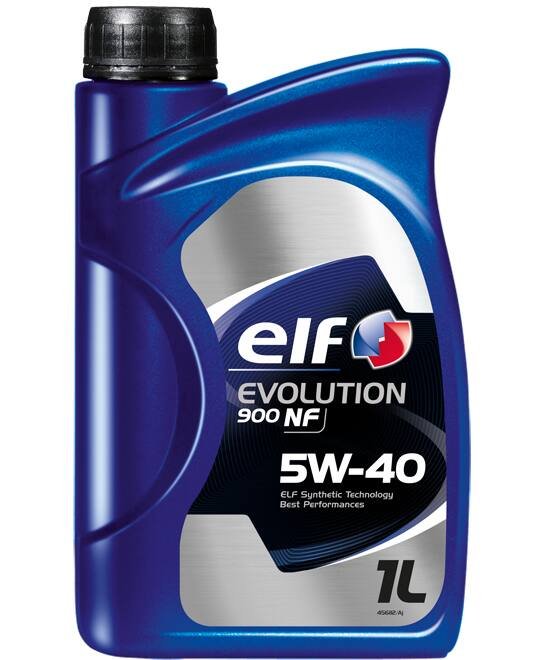
| Elf Evolution 900 NF 5W‑40 | |
|---|---|
| ACEA A3/B4 | ✔ |
| API SP | ❓ |
| MB‑Approval 226.5 / 229.5 | ✔ |
| Renault RN 0700 / RN 0710 | ✔ |
| VW 502 00 / 505 00 | ✔ |
Oil specification key
✔ – Meets the required specification
❓ – Not explicitly stated (use caution; check your vehicle manual)
❌ – Does not meet required specification. Use may cause engine issues.
✔ – Meets the required specification
❓ – Not explicitly stated (use caution; check your vehicle manual)
❌ – Does not meet required specification. Use may cause engine issues.
As an Amazon Associate, we may earn from qualifying purchases.
Answer generated by AI.
Oil specifications for TU3A/M/F2 engine
SAE 5W-40
ACEA A3/B4
API SN
PSA B71 2296
Most common problems, symptoms & fixes for the TU3A/M/F2 engine.
Engine TU3A commonly faces issues such as timing belt wear, coolant leaks, and carburetor or fuel injection problems. Diagnosis includes checking for unusual noises, overheating, or poor fuel economy. Prevent timing belt failure by replacing it every 60,000 to 80,000 km to avoid engine damage. Inspect and replace coolant hoses and thermostat regularly to prevent leaks and overheating. For fuel delivery issues, clean or service the carburetor or fuel injectors to maintain smooth running. Regular oil changes and air filter replacements help prolong engine life. Addressing these proactively ensures reliability and performance in the listed Citroen and Peugeot models.