Vehicles using V10 505 engine list:
- DODGE - Viper SRT-10 (372kW) 2003–2004
- DODGE - Viper SRT-10 (372kW) 2004–2005
- DODGE - Viper SRT-10 (372kW) 2005–2008
Recommended oil for engine V10 505 engine.
Ask AI about any Engine code
Questions strictly about engine codes (brand/model/engine type/production years).
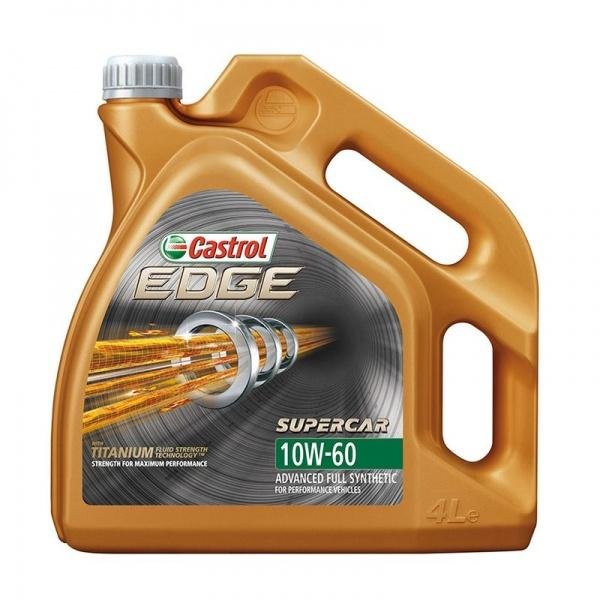
| Castrol EDGE 10W-60 | |
|---|---|
| ACEA A3/B4 | ✔ |
| API SN/CF | ✔ |
| BMW M | ✔ |
| VW 501 01 / 505 00 | ✔ |

| Shell Helix Ultra Racing 10W-60 | |
|---|---|
| ACEA A3/B4 | ✔ |
| API SN/CF | ✔ |
| BMW M | ❌ |
| VW 501 01 / 505 00 | ❌ |
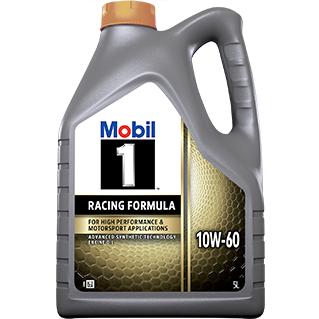
| Mobil 1™ 10W-60 | |
|---|---|
| ACEA A3/B4 | ✔ |
| API SN/CF | ✔ |
| BMW M | ✔ |
| VW 501 01 / 505 00 | ✔ |

| Liqui Moly Race Tech GT1 10W-60 | |
|---|---|
| ACEA A3/B4 | ✔ |
| API SN/CF | ✔ |
| BMW M | ❌ |
| VW 501 01 / 505 00 | ❌ |
Oil specification key
✔️ – Meets the required specification
❓ – Not explicitly stated (use caution; check your vehicle manual)
❌ – Does not meet required specification. Use may cause engine issues.
✔️ – Meets the required specification
❓ – Not explicitly stated (use caution; check your vehicle manual)
❌ – Does not meet required specification. Use may cause engine issues.
Answer generated by AI.
Oil specifications for V10 505 engine
SAE 10W-40
API SJ
Most common problems, symptoms & fixes for the V10 505 engine.
Engine V10 505 in the Dodge Viper SRT-10 (2003–2008) is known for its power but can face issues like overheating, oil leaks, and ignition coil failures. Diagnosis involves checking coolant levels and thermostat function to prevent overheating. Regular oil changes with high-quality synthetic oil help prevent sludge buildup and leaks. Inspect ignition coils and spark plugs periodically to avoid misfires. Preventive maintenance includes timely coolant flushes and using OEM parts for replacements. If overheating occurs, inspect radiator and water pump for blockages or wear. Address oil leaks promptly by replacing gaskets and seals to maintain engine health and performance.