Engine code
Vehicles using EJ257 engine list:
Which cars use the EJ257 engine and what oil to use. Common EJ257 engine faults, symptoms, diagnosis, prevention and repair.
Ask AI about any Engine code
Questions strictly about engine codes (brand/model/engine type/production years).
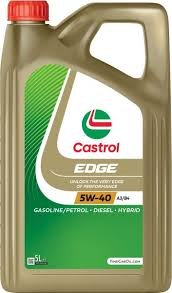
| Castrol EDGE 5W-40 A3/B4 | |
|---|---|
| ACEA A3/B4 | ✔ |
| API SP | ✔ |
| BMW Longlife-01 | ✔ |
| MB 229.3 / 229.5 / 226.5 | ✔ |
| Porsche A40 | ✔ |
| Renault RN0700 / RN0710 | ✔ |
| VW 502 00 / 505 00 | ✔ |
| Chrysler MS-12991 | ✔ |

| Ravenol VST 5W-40 | |
|---|---|
| ACEA A3/B4 | ✔ |
| API SP | ✔ |
| BMW Longlife-01 | ✔ |
| MB 229.5 / 226.5 | ✔ |
| Porsche A40 | ✔ |
| VW 502.00 / 505.00 | ✔ |
| Renault RN0700/0710 | ✔ |
| Chrysler MS-12991 | ✔ |

| Mobil 1 FS 5W-40 | |
|---|---|
| ACEA A3/B3/B4 | ✔ |
| API SN/SM/CF | ✔ |
| BMW Longlife-01 | ✔ |
| MB 229.3 / 229.5 | ✔ |
| Porsche A40 | ✔ |
| VW 502.00 / 505.00 | ✔ |
| Renault RN0700/0710 | ✔ |
| Chrysler MS-12991 | ✔ |

| Liqui Moly High Tech 5W-40 | |
|---|---|
| ACEA A3/B4 | ✔ |
| API SN/CF | ✔ |
| BMW Longlife-01 | ✔ |
| MB 229.5 | ✔ |
| Porsche A40 | ✔ |
| VW 502.00 / 505.00 | ✔ |
| Renault RN0700/0710 | ✔ |
| Chrysler MS-12991 | ✔ |
Oil specification key
✔ – Meets the required specification
❓ – Not explicitly stated (use caution; check your vehicle manual)
❌ – Does not meet required specification. Use may cause engine issues.
✔ – Meets the required specification
❓ – Not explicitly stated (use caution; check your vehicle manual)
❌ – Does not meet required specification. Use may cause engine issues.
As an Amazon Associate, we may earn from qualifying purchases.
Answer generated by AI.
Oil specifications for EJ257 engine
SAE 5W-30
API SN
ILSAC GF-5
Most common problems, symptoms & fixes for the EJ257 engine.
Engine EJ257
Symptoms:
- Excessive oil consumption
- Head gasket failure leading to coolant leaks or overheating
- Ringland failure causing loss of compression and misfires
- Turbocharger issues such as boost leaks or failure
- Timing chain tensioner noise or failure
Diagnosis:
- Perform a compression test and leak-down test to check for ringland or head gasket issues
- Inspect for oil leaks around the valve cover gasket and turbocharger seals
- Check coolant levels and look for signs of contamination or overheating
- Listen for abnormal noises from the timing chain area during startup and operation
- Use a boost leak tester to identify any leaks in the turbo system
Fixes:
- Replace head gaskets with upgraded versions designed for EJ257 to prevent leaks
- Repair or replace damaged piston rings or ringlands; consider forged pistons for high-performance builds
- Replace valve cover gaskets and turbo seals to stop oil leaks
- Service or replace the turbocharger if boost pressure is inconsistent or if mechanical failure is detected
- Replace timing chain tensioners and guides to eliminate noise and prevent chain skipping
- Use high-quality synthetic oil and change it regularly to reduce wear and oil consumption
Prevention:
- Regularly monitor oil and coolant levels to catch leaks early
- Use recommended oil grades and change intervals to maintain engine health
- Avoid aggressive driving until the engine is properly warmed up to reduce stress on components
- Perform routine maintenance including spark plug replacement and air filter changes
- Consider aftermarket upgrades if increasing power to ensure engine components can handle additional stress
-NO INFO-