M271.860 motorral szerelt járművek listája:
- MERCEDES_BENZ - E 200 CGI BlueEFFICIENCY (135kW) 2009–2010
- MERCEDES_BENZ - E 250 CGI BlueEFFICIENCY (150kW) 2009–2010
- MERCEDES_BENZ - C 250 CGI BlueEFFICIENCY (150kW) 2009–2011
- MERCEDES_BENZ - E 250 CGI BlueEFFICIENCY (150kW) 2010–2011
- MERCEDES_BENZ - C 250 (150kW) 2011–2014
- MERCEDES_BENZ - C 200 (135kW) 2011–2014
Ajánlott motorolaj a motorhoz M271.860 motor leggyakoribb problémái, tünetei és javítási megoldásai.
Kérdezd meg a MI-t bármely motorkódról
Csak motorkódokkal kapcsolatos kérdések (márka/modell/motortípus/gyártási évek).
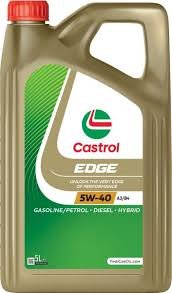
| Castrol EDGE 5W-40 A3/B4 | |
|---|---|
| ACEA A3/B4 | ✔ |
| API SP | ✔ |
| BMW Longlife-01 | ✔ |
| MB 229.3 / 229.5 / 226.5 | ✔ |
| Porsche A40 | ✔ |
| Renault RN0700 / RN0710 | ✔ |
| VW 502 00 / 505 00 | ✔ |
| Chrysler MS-12991 | ✔ |

| Ravenol VST 5W‑40 | |
|---|---|
| ACEA A3/B4 | ✔ |
| API SP | ✔ |
| BMW Longlife‑01 | ✔ |
| MB 229.5 / 226.5 | ✔ |
| Porsche A40 | ✔ |
| VW 502.00 / 505.00 | ✔ |
| Renault RN0700/0710 | ✔ |
| Chrysler MS‑12991 | ✔ |

| Mobil 1 FS 5W‑40 | |
|---|---|
| ACEA A3/B3/B4 | ✔ |
| API SN/SM/CF | ✔ |
| BMW Longlife‑01 | ✔ |
| MB 229.3 / 229.5 | ✔ |
| Porsche A40 | ✔ |
| VW 502.00 / 505.00 | ✔ |
| Renault RN0700/0710 | ✔ |
| Chrysler MS‑12991 | ✔ |

| Liqui Moly High Tech 5W‑40 | |
|---|---|
| ACEA A3/B4 | ✔ |
| API SN/CF | ✔ |
| BMW Longlife‑01 | ✔ |
| MB 229.5 | ✔ |
| Porsche A40 | ✔ |
| VW 502.00 / 505.00 | ✔ |
| Renault RN0700/0710 | ✔ |
| Chrysler MS‑12991 | ✔ |
Olajspecifikációk jelmagyarázata
✔ – Megfelel az előírt specifikációnak
❓ – Nincs kifejezetten feltüntetve (óvatosan: ellenőrizd a jármű kézikönyvét)
❌ – Nem felel meg az előírt specifikációnak. Használata motorproblémákat okozhat.
✔ – Megfelel az előírt specifikációnak
❓ – Nincs kifejezetten feltüntetve (óvatosan: ellenőrizd a jármű kézikönyvét)
❌ – Nem felel meg az előírt specifikációnak. Használata motorproblémákat okozhat.
A választ az MI generálta.
Motorolaj-specifikációk M271.860 motor
SAE 5W-40
ACEA A3/B4
MB 229.5
A M271.860 motor.
Engine M271.860
Symptoms:
- Rough idling and loss of power
- Engine misfires or hesitation during acceleration
- Check Engine Light (CEL) illumination
- Excessive oil consumption or oil leaks
- Overheating or coolant loss
- Whistling or unusual noises from the supercharger area
Diagnosis:
- Inspect ignition coils and spark plugs for wear or failure, common in M271 engines
- Check for vacuum leaks around intake manifold and hoses causing rough running
- Examine supercharger belt and tensioner for wear or slippage leading to noise or power loss
- Scan for fault codes related to camshaft timing, misfires, or sensor failures
- Inspect oil leaks around valve cover gasket and camshaft seals
- Test coolant system for leaks or thermostat malfunction causing overheating
Fixes:
- Replace faulty ignition coils and worn spark plugs to restore smooth running
- Repair or replace vacuum hoses and intake manifold gaskets to eliminate leaks
- Replace supercharger belt and tensioner if worn or damaged to prevent noise and maintain boost
- Address any sensor faults or camshaft timing issues by replacing sensors or adjusting timing components
- Replace valve cover gasket and camshaft seals to stop oil leaks
- Service cooling system: replace thermostat, radiator hoses, or water pump as needed to prevent overheating
Prevention:
- Follow regular maintenance schedule including timely spark plug and ignition coil replacement
- Use high-quality engine oil and change it at recommended intervals to protect seals and components
- Regularly inspect belts and hoses for wear and replace proactively
- Monitor coolant levels and condition to avoid overheating
- Address any warning lights or unusual engine behavior promptly to prevent further damage
By adhering to these diagnostic steps and maintenance practices, owners of vehicles equipped with the M271.860 engine can minimize common issues and ensure reliable performance.
Symptoms:
- Rough idling and loss of power
- Engine misfires or hesitation during acceleration
- Check Engine Light (CEL) illumination
- Excessive oil consumption or oil leaks
- Overheating or coolant loss
- Whistling or unusual noises from the supercharger area
Diagnosis:
- Inspect ignition coils and spark plugs for wear or failure, common in M271 engines
- Check for vacuum leaks around intake manifold and hoses causing rough running
- Examine supercharger belt and tensioner for wear or slippage leading to noise or power loss
- Scan for fault codes related to camshaft timing, misfires, or sensor failures
- Inspect oil leaks around valve cover gasket and camshaft seals
- Test coolant system for leaks or thermostat malfunction causing overheating
Fixes:
- Replace faulty ignition coils and worn spark plugs to restore smooth running
- Repair or replace vacuum hoses and intake manifold gaskets to eliminate leaks
- Replace supercharger belt and tensioner if worn or damaged to prevent noise and maintain boost
- Address any sensor faults or camshaft timing issues by replacing sensors or adjusting timing components
- Replace valve cover gasket and camshaft seals to stop oil leaks
- Service cooling system: replace thermostat, radiator hoses, or water pump as needed to prevent overheating
Prevention:
- Follow regular maintenance schedule including timely spark plug and ignition coil replacement
- Use high-quality engine oil and change it at recommended intervals to protect seals and components
- Regularly inspect belts and hoses for wear and replace proactively
- Monitor coolant levels and condition to avoid overheating
- Address any warning lights or unusual engine behavior promptly to prevent further damage
By adhering to these diagnostic steps and maintenance practices, owners of vehicles equipped with the M271.860 engine can minimize common issues and ensure reliable performance.