YNCA motorral szerelt járművek listája:
Ajánlott motorolaj a motorhoz YNCA motor leggyakoribb problémái, tünetei és javítási megoldásai.
Kérdezd meg a MI-t bármely motorkódról
Csak motorkódokkal kapcsolatos kérdések (márka/modell/motortípus/gyártási évek).
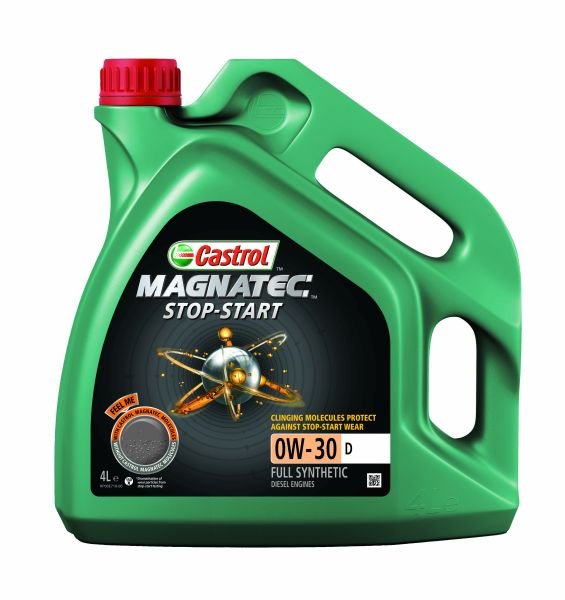
| Castrol MAGNATEC 0W‑30 D | |
|---|---|
| SAE 0W‑30 | ✔ |
| ACEA C2 | ✔ |
| Ford WSS‑M2C950‑A | ✔ |
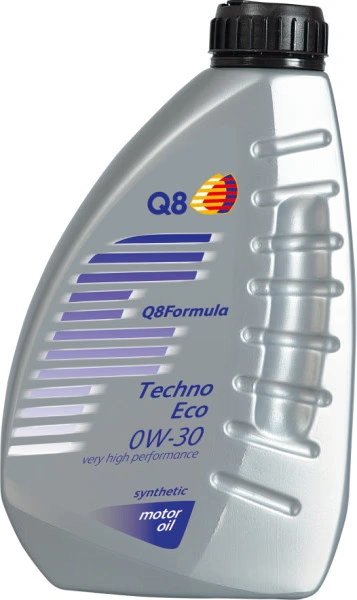
| Q8 Formula Techno Eco 0W‑30 | |
|---|---|
| ACEA C2 | ✔ |
| Ford WSS‑M2C950‑A | ✔ |
| Fiat 9.55535‑DS1 / GS1 | ✔ |
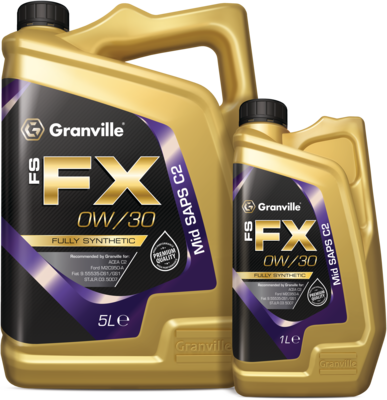
| Granville FS‑FX 0W‑30 | |
|---|---|
| ACEA C2 | ✔ |
| Ford WSS‑M2C950‑A | ✔ |
| Fiat 9.55535‑DS1 / GS1 | ✔ |
Olajspecifikációk jelmagyarázata
✔ – Megfelel az előírt specifikációnak
❓ – Nincs kifejezetten feltüntetve (óvatosan: ellenőrizd a jármű kézikönyvét)
❌ – Nem felel meg az előírt specifikációnak. Használata motorproblémákat okozhat.
✔ – Megfelel az előírt specifikációnak
❓ – Nincs kifejezetten feltüntetve (óvatosan: ellenőrizd a jármű kézikönyvét)
❌ – Nem felel meg az előírt specifikációnak. Használata motorproblémákat okozhat.
A választ az MI generálta.
Motorolaj-specifikációk YNCA motor
SAE 5W-30
ACEA C3
API SN
VW 507.00
A YNCA motor.
Engine YNCA, found in the Ford S-Max and Galaxy 2.0 EcoBlue (88kW, 2018–2019), commonly faces issues like EGR valve clogging, turbocharger wear, and DPF (Diesel Particulate Filter) blockages. Diagnosis involves checking for fault codes via OBD-II, inspecting the EGR system for soot buildup, and monitoring turbo boost pressure. Preventive measures include using high-quality fuel, regular oil changes with manufacturer-recommended oil, and periodic DPF regeneration drives to avoid clogging. Solutions often require cleaning or replacing the EGR valve, servicing or replacing the turbocharger if worn, and performing forced DPF regeneration or replacement if severely blocked. Regular maintenance is key to reliability.