20S motorral szerelt járművek listája:
Ajánlott motorolaj a motorhoz 20S motor leggyakoribb problémái, tünetei és javítási megoldásai.
Kérdezd meg a MI-t bármely motorkódról
Csak motorkódokkal kapcsolatos kérdések (márka/modell/motortípus/gyártási évek).

| Castrol MAGNATEC 5W‑30 C3 | |
|---|---|
| SAE 5W‑30 | ✔ |
| ACEA C3 | ✔ |
| API SN/CF | ✔ |
| BMW Longlife‑04 | ✔ |
| MB‑Approval 226.5 / 229.31 / 229.51 / 229.52 | ✔ |
| Opel OV 0401547‑D30 / G30 | ✔ |
| Fiat 9.55535‑S3 | ✔ |
| Renault RN0700 / RN0710 | ✔ |
| VW 505.00 / 505.01 | ✔ |
| dexos2 | ✔ |

| Liqui‑Moly Chrome C3 5W‑30 | |
|---|---|
| SAE 5W‑30 | ✔ |
| ACEA C3 | ✔ |
| API SN/CF | ✔ |
| BMW Longlife‑04 | ❌ |
| MB‑Approval 226.5 / 229.31 / 229.51 / 229.52 | ✔ |
| Opel OV 0401547‑D30 / G30 | ✔ |
| Fiat 9.55535‑S3 | ✔ |
| Renault RN0700 / RN0710 | ✔ |
| VW 505.00 / 505.01 | ✔ |
| dexos2 | ✔ |

| Ridex Plus Active Energy C2/C3 5W‑30 | |
|---|---|
| SAE 5W‑30 | ✔ |
| ACEA C3 | ✔ |
| API SN/CF | ✔ |
| BMW Longlife‑04 | ✔ |
| MB‑Approval 226.5 / 229.31 / 229.51 / 229.52 | ✔ |
| Opel OV 0401547‑D30 / G30 | ✔ |
| Fiat 9.55535‑S3 | ❌ |
| Renault RN0700 / RN0710 | ✔ |
| VW 505.00 / 505.01 | ✔ |
| dexos2 | ✔ |
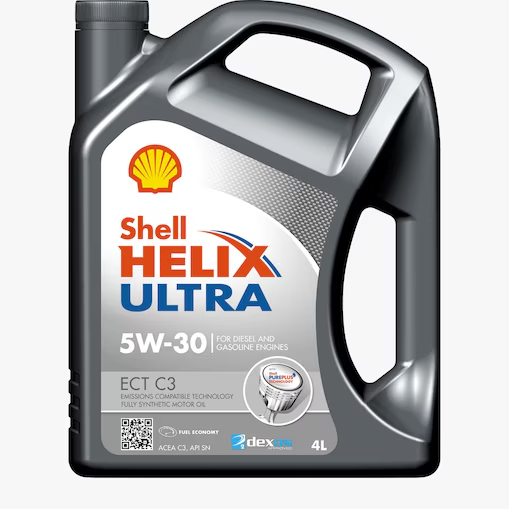
| Shell Helix Ultra ECT C3 5W‑30 | |
|---|---|
| SAE 5W‑30 | ✔ |
| ACEA C3 | ✔ |
| API SN/CF | ✔ |
| BMW Longlife‑04 | ✔ |
| MB‑Approval 226.5 / 229.31 / 229.51 / 229.52 | ✔ |
| Opel OV 0401547‑D30 / G30 | ✔ |
| Fiat 9.55535‑S3 | ✔ |
| Renault RN0700 / RN0710 | ✔ |
| VW 505.00 / 505.01 | ✔ |
| dexos2 | ❓ |
Olajspecifikációk jelmagyarázata
✔ – Megfelel az előírt specifikációnak
❓ – Nincs kifejezetten feltüntetve (óvatosan: ellenőrizd a jármű kézikönyvét)
❌ – Nem felel meg az előírt specifikációnak. Használata motorproblémákat okozhat.
✔ – Megfelel az előírt specifikációnak
❓ – Nincs kifejezetten feltüntetve (óvatosan: ellenőrizd a jármű kézikönyvét)
❌ – Nem felel meg az előírt specifikációnak. Használata motorproblémákat okozhat.
A választ az MI generálta.
Motorolaj-specifikációk 20S motor
SAE 10W-40
API SJ
A 20S motor.
Engine 20S
Symptoms:
- Rough idling and hesitation during acceleration
- Loss of power and reduced fuel efficiency
- Engine misfires or stalls intermittently
- Unusual noises from the engine bay, such as knocking or ticking
- Difficulty starting the engine, especially in cold conditions
Diagnosis:
- Check ignition components including spark plugs, wires, distributor cap, and rotor for wear or damage
- Inspect the fuel delivery system: fuel filter, fuel pump, and injectors for blockages or leaks
- Examine the timing belt for wear or incorrect tension, as timing issues cause poor engine performance
- Test the coolant temperature sensor and other engine sensors for proper operation
- Look for vacuum leaks in hoses and intake manifold gaskets that can cause rough running
- Perform a compression test to assess engine internal condition
Fixes:
- Replace worn or fouled spark plugs and ignition components to restore proper firing
- Clean or replace clogged fuel injectors and fuel filters to ensure adequate fuel flow
- Replace the timing belt at recommended intervals to prevent engine damage and maintain timing accuracy
- Repair or replace faulty sensors to improve engine management and drivability
- Seal any vacuum leaks by replacing cracked hoses or gaskets
- Address any engine mechanical issues found during compression testing, such as worn piston rings or valves
Prevention:
- Follow the manufacturer’s recommended maintenance schedule for timing belt replacement and ignition system servicing
- Use quality fuel and regularly replace fuel filters to avoid injector clogging
- Keep the cooling system in good condition to prevent overheating and sensor failures
- Regularly inspect vacuum hoses and intake components for cracks or leaks
- Perform routine tune-ups including spark plug replacement and ignition system checks to maintain engine performance
By adhering to these diagnostic steps and maintenance practices, owners of the Vauxhall Carlton 2.0i with the 20S engine can minimize common issues and ensure reliable operation.
Symptoms:
- Rough idling and hesitation during acceleration
- Loss of power and reduced fuel efficiency
- Engine misfires or stalls intermittently
- Unusual noises from the engine bay, such as knocking or ticking
- Difficulty starting the engine, especially in cold conditions
Diagnosis:
- Check ignition components including spark plugs, wires, distributor cap, and rotor for wear or damage
- Inspect the fuel delivery system: fuel filter, fuel pump, and injectors for blockages or leaks
- Examine the timing belt for wear or incorrect tension, as timing issues cause poor engine performance
- Test the coolant temperature sensor and other engine sensors for proper operation
- Look for vacuum leaks in hoses and intake manifold gaskets that can cause rough running
- Perform a compression test to assess engine internal condition
Fixes:
- Replace worn or fouled spark plugs and ignition components to restore proper firing
- Clean or replace clogged fuel injectors and fuel filters to ensure adequate fuel flow
- Replace the timing belt at recommended intervals to prevent engine damage and maintain timing accuracy
- Repair or replace faulty sensors to improve engine management and drivability
- Seal any vacuum leaks by replacing cracked hoses or gaskets
- Address any engine mechanical issues found during compression testing, such as worn piston rings or valves
Prevention:
- Follow the manufacturer’s recommended maintenance schedule for timing belt replacement and ignition system servicing
- Use quality fuel and regularly replace fuel filters to avoid injector clogging
- Keep the cooling system in good condition to prevent overheating and sensor failures
- Regularly inspect vacuum hoses and intake components for cracks or leaks
- Perform routine tune-ups including spark plug replacement and ignition system checks to maintain engine performance
By adhering to these diagnostic steps and maintenance practices, owners of the Vauxhall Carlton 2.0i with the 20S engine can minimize common issues and ensure reliable operation.